Halloween is one of those holidays that looks magical from the outside: costumes, candy, glowing pumpkins, and a whole neighborhood out after dark. But I've talked with enough parents (and kids) to know that behind the fun, some children quietly dread this time of year.
A skeleton on the porch next door. A neighbor in a scary mask. A classmate who loves telling spooky stories. For a child who feels things deeply, all of that can be a lot. And if your little one is one of them, I want you to know right away: a child being scared on Halloween is completely normal, and it doesn't mean anything is wrong with them or with your parenting.
This week, I'd like to share how I think about helping kids through the spookiest night of the year, so it can feel safer, calmer, and maybe even fun.
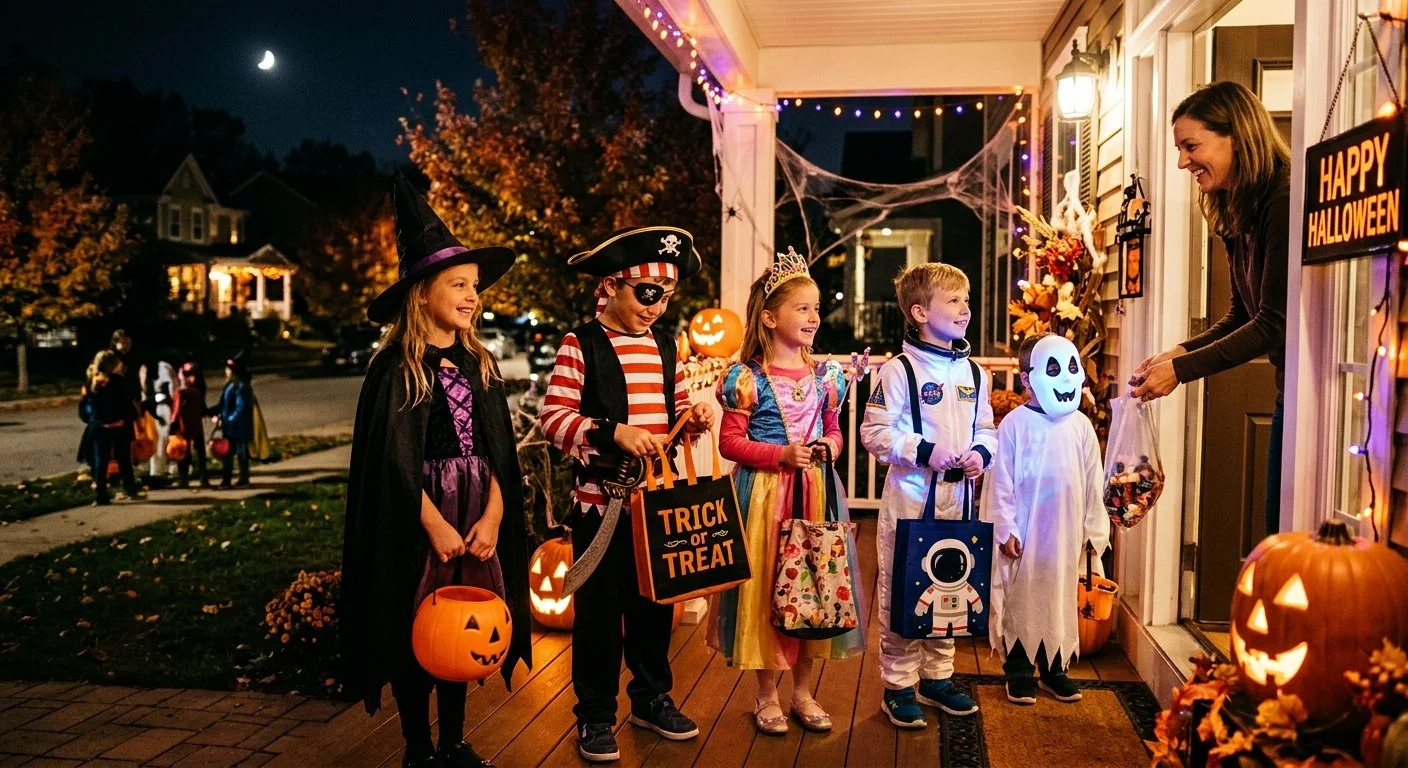
Why Halloween Can Feel So Big for Kids
Young children are still learning to tell the difference between what's real and what's pretend. A grown-up in a costume might look like a real monster to them, especially in the dark. Add in loud noises, crowds, sugar, and a late bedtime, and you have a recipe for big feelings.
Here are some things that can make Halloween especially tough:
🎃 Realistic or gory decorations and masks
🎃 Jump scares, loud sounds, and flashing lights
🎃 Costumes that hide a familiar face
🎃 Being out after dark or in unfamiliar places
🎃 Sensory overload from crowds, itchy costumes, and sugar
🎃 Scary stories or videos from friends and social media
And remember, every child is different. A kid who loves haunted houses at 9 might be terrified of them at 5, and that's okay.
Signs Your Child May Be Feeling Scared or Overwhelmed
Kids don't always say, "I'm frightened." Sometimes the fear shows up in other ways. Here's what I encourage parents to watch for:
👀 Clinging to you or refusing to go near certain houses or decorations
👀 Sudden tears, tantrums, or irritability
👀 Complaining of stomachaches or headaches
👀 Trouble sleeping, nightmares, or wanting to sleep in your room
👀 Going quiet or "shutting down" in noisy, busy settings
👀 Asking the same worried questions over and over
When you notice these, try seeing them as your child's way of communicating, not misbehavior.
What Helps: Ways to Support Your Child
You don't need to be perfect at this. A little preparation and a lot of reassurance go a long way.
💜 Talk about it ahead of time. Explain what Halloween is, what they might see, and that it's all pretend.
💜 Validate the feeling. Say, "I can see that was scary. It's okay to feel that way." Avoid "Don't be silly" or "There's nothing to be scared of."
💜 Show them how it's made. Let them see an adult put on a mask or costume, so they know there's a real person underneath.
💜 Let them choose the costume. Having control helps. Comfortable and not-too-scary is a great rule.
💜 Stay close and set the pace. Skip the haunted houses if your child isn't ready. They can always pass out candy at home instead.
💜 Have an exit plan. Tell them, "If it gets too much, we can go home anytime." Knowing they can leave often makes them braver.
💜 Keep routines steady. Try for a regular dinner and bedtime, and go easy on the candy so the evening doesn't end in a crash
Gentle Alternatives If Trick-or-Treating Feels Like Too Much
Halloween doesn't have to mean knocking on doors in the dark. If your child needs a softer version, these can be just as special:
🍂 Trick-or-treat during daylight or at a family-friendly community event
🍂 Decorate pumpkins together at home
🍂 Host a small costume party with a few close friends or family
🍂 Do a "treat hunt" around the house or yard
🍂 Watch a gentle, kid-friendly Halloween movie
🍂 Hand out candy from the porch with you by their side
There's no "right" way to celebrate. The best Halloween is the one where your child feels safe.
When to Seek a Little Extra Support
Most Halloween fears fade quickly with comfort and reassurance. But sometimes, a child's fear or anxiety goes beyond the holiday. It may be worth talking with a pediatrician or mental health professional if you notice:
🌿 Fears that last for weeks or keep getting stronger
🌿 Sleep problems or nightmares that continue well after the holiday
🌿 Avoiding school, friends, or activities because of worry
🌿 Frequent physical complaints with no clear medical cause
🌿 Anxiety that seems to get in the way of everyday life
Reaching out early isn't overreacting. It's giving your child the tools to feel secure.
A Note for Parents
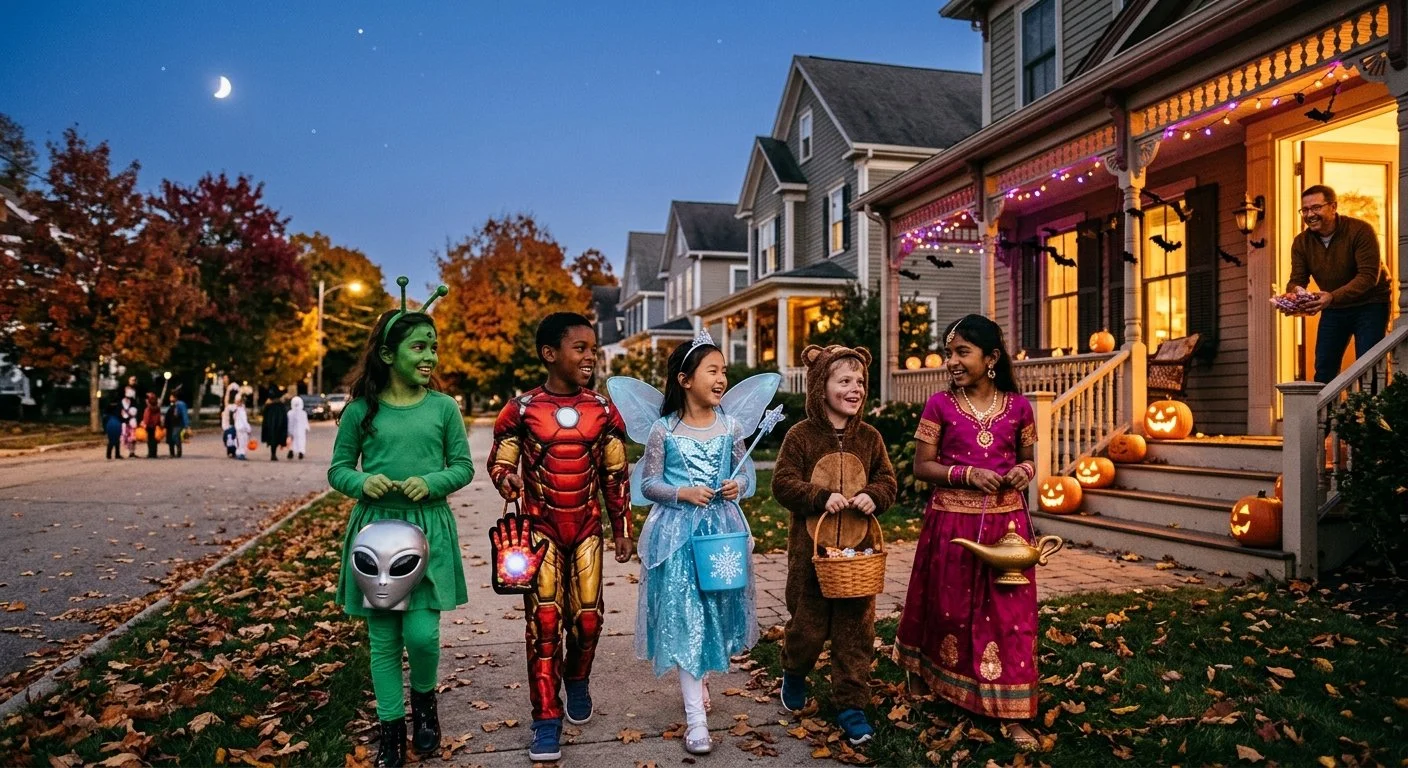
Here's what I want you to remember: you don't have to make Halloween perfect. Some years, the highlight will be five minutes of trick-or-treating and a lot of snuggling on the couch. And that counts.
What matters most is that your child learns that their feelings are welcome, that you'll keep them safe, and that being scared doesn't make them weak.
Happy Halloween from all of us at Center for Mental Wealth! 🎃💜
Ready to prioritize your mental health?
You don't have to navigate life's challenges alone. Whether you're seeking support for anxiety, depression, ADHD, or other mental health concerns, our compassionate team is here to help.
Book your appointment today and take the first step toward better mental wellness. We offer personalized psychiatric care for children, adolescents, and adults, with both in-person and telehealth appointments available.